
How to Clean and Maintain Your Coated Garage Floor
Learn how to clean and maintain your coated garage floor. Expert tips on cleaning products, stain removal, and seasonal care for Utah homeowners.
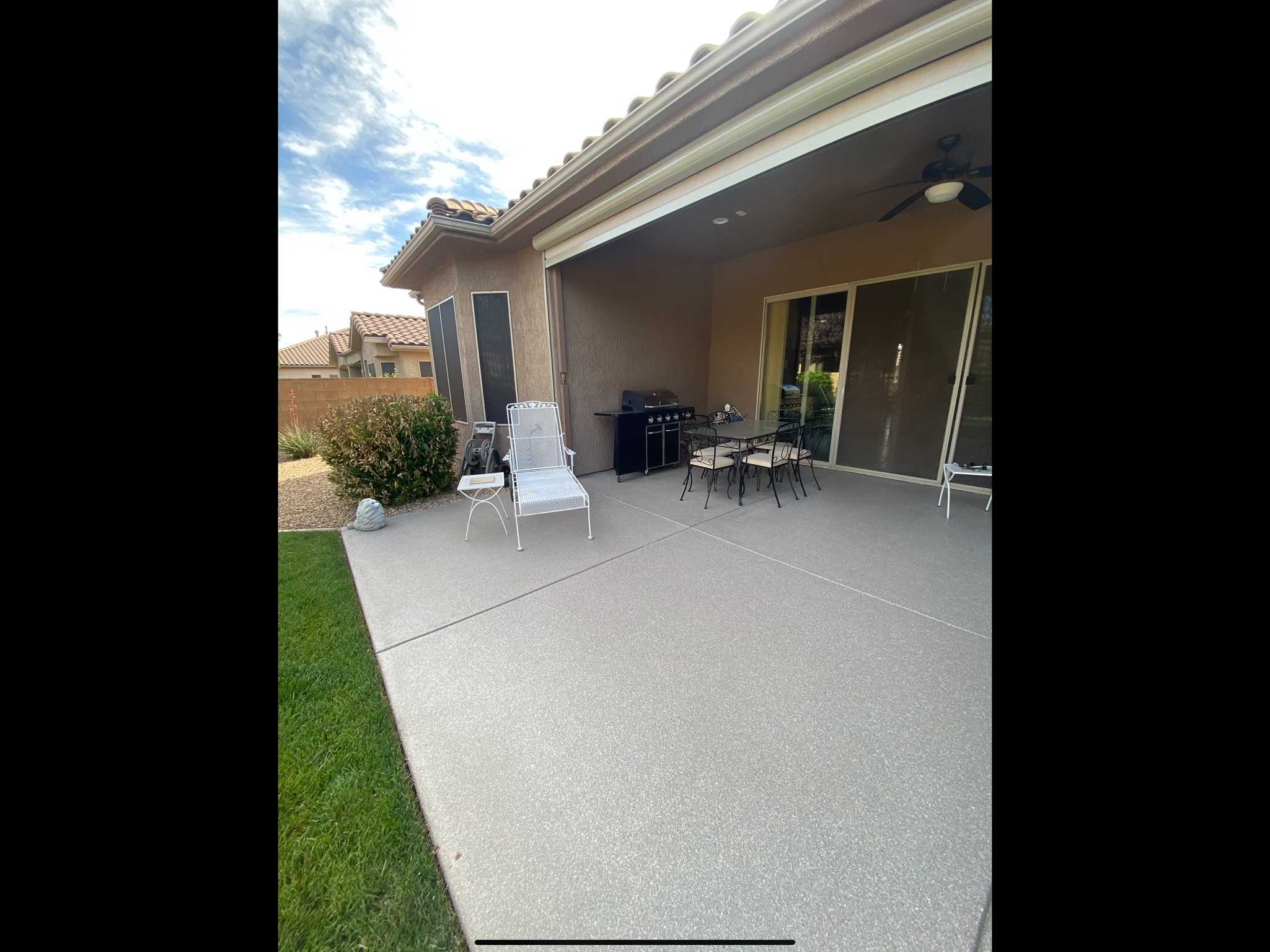
Why Proper Maintenance Matters
A professionally installed floor coating is one of the most durable surfaces in your home. With the right care, it will look great for 15, 20, or even 30 years. But "durable" doesn't mean "indestructible," and a few simple maintenance habits will make a significant difference in how your floor ages — particularly here in Utah, where road salt, freeze-thaw cycles, and intense UV create conditions that are uniquely hard on surfaces.
The good news: maintaining a coated floor is dramatically easier than maintaining bare concrete or carpet. There are no deep pores to trap dirt, no grout lines to scrub, and no sealer to reapply every year. The right routine takes just a few minutes per week and a bit more time seasonally.
Weekly Cleaning Routine
Daily / As Needed: Sweep or Dust Mop
The single most important thing you can do for your coated floor is keep abrasive particles off it. Sand, dirt, and grit tracked in from outside act like sandpaper underfoot — over time, they'll microscopically scratch the topcoat and dull its finish. A quick sweep or dust mop pass whenever you notice debris keeps this from accumulating.
Use a soft-bristle push broom or a microfiber dust mop. Avoid stiff-bristle brooms, which can scratch the surface. Two or three times a week for an active garage is sufficient for most households.
Weekly: Damp Mop
Once a week — or after any spill — mop the floor with warm water and a pH-neutral cleaner. The key word is pH-neutral. Your coated floor's topcoat is engineered to resist chemicals, but repeated exposure to harsh alkaline or acidic cleaners can degrade it over time.
Our recommended cleaning solution: a few drops of Simple Green or a dedicated floor coating cleaner diluted in a bucket of warm water. Mop in sections, wring the mop well so it's damp (not soaking), and let it air dry. The whole process for a two-car garage takes about 10 minutes.
Monthly Cleaning Routine
Once a month, do a slightly more thorough pass. This is a good time to check for any spills that have been sitting, look for areas where grit may have built up near the garage door, and inspect the condition of the coating at edges and joints.
For a deeper monthly clean, you can use a soft deck brush attachment on a garden hose — low pressure, not a pressure washer setting — to rinse the floor toward the drain. Follow up with the pH-neutral mop routine. This is particularly useful in spring when winter's accumulated salt and sand gets tracked in heavily.
Best Cleaning Products for Coated Floors
The following products are safe and effective on professional floor coatings:
- Simple Green All-Purpose Cleaner (diluted) — pH-neutral, non-abrasive, widely available
- ZEP Neutral Floor Cleaner — pH-neutral, designed for coated and polished floors
- Manufacturer-specific floor cleaners — Ask your installer what they recommend for your specific system
- Warm water alone — For light dust and dirt, plain warm water is perfectly effective
What to Avoid
These products and methods can damage your floor coating's topcoat:
- Bleach and ammonia-based cleaners — These are alkaline and can degrade the topcoat chemistry over time with repeated use
- Vinegar and citrus cleaners — Acidic cleaners cause similar problems and can slowly etch the surface
- Abrasive scrub pads and steel wool — Will scratch the topcoat and create dull spots
- High-pressure washing — Pressure washers set above ~1500 PSI can force water into micro-edges and joints, potentially undermining adhesion at those points
- Oil-based soaps or wax-based products — These leave a residue that makes the floor slippery when wet
- Pine-Sol, Fabuloso, Mop & Glo — These products contain surfactants and additives that can leave a dulling film on the topcoat
Dealing with Common Stains
Oil and Grease
Act quickly — a quality topcoat resists oil absorption, but fresh spills are always easier to clean than dried ones. Blot (don't rub) the fresh spill with a paper towel or shop rag to absorb as much as possible. Then clean the area with diluted Simple Green and a soft mop or cloth. For dried or baked-on grease, a small amount of concentrated Simple Green applied directly and allowed to sit for 5 minutes before scrubbing with a soft nylon brush usually does the job.
Road Salt and Deicing Chemicals
Road salt is the biggest seasonal enemy of coated floors in Utah. Salt residue left sitting on the floor draws moisture and can, over time, work into micro-edges and joints. The solution is regular rinsing through winter — at least once every two weeks, more often if you're tracking in heavy salt accumulation.
After rinsing, a pH-neutral mop pass removes residue. Do not let salt brine sit for extended periods, especially at cracks or joints.
Tire Marks
Tire scuff marks are surface-level and come off easily with a damp mop and a bit of Simple Green. They're not penetrating the topcoat — they're just rubber residue sitting on the surface. Avoid aggressive scrubbing, which isn't necessary and can create light scratch patterns.
Rust Stains
Rust from metal tools, bike frames, or vehicle parts can leave brown stains. Bar Keepers Friend (powder form) applied with a damp sponge and light scrubbing usually removes rust staining without damaging the topcoat. Rinse thoroughly after use.
Seasonal Care Tips for Utah Homeowners
Winter
Keep a floor mat or boot tray at the garage entrance to trap the worst of the snow, ice melt, and salt before it spreads across the floor. Rinse the floor every 1–2 weeks to prevent salt buildup. Check your floor's drain (if you have one) to ensure it flows freely — standing water with dissolved salt is more damaging than salt alone.
Avoid using harsh ice melt products (those containing calcium chloride or magnesium chloride) directly on the coated floor. Calcium chloride in particular is more chemically aggressive than sodium chloride. If you need traction on an icy garage approach, fine sand is safer than chemical de-icers.
Summer
Summer cleaning is more straightforward — sweep frequently to remove dust and pollen, and mop monthly or as needed. The main thing to watch in Utah summers is UV exposure if your garage door is open for extended periods. A quality polyaspartic topcoat like the one Sparks Coatings uses is UV-stable, so you won't see yellowing — but it's still smart not to leave chemical spills baking in direct sun, as heat accelerates absorption into any surface.
Signs Your Coating May Need Attention
Even a well-maintained floor may eventually show signs that warrant a call to your installer:
- Loss of gloss across high-traffic areas despite regular cleaning
- Small areas of lifting or bubbling near joints or edges
- Deep scratches that go through the topcoat to the base coat or chip layer
- Staining that won't come off with normal cleaning
Minor issues caught early are almost always easier and less expensive to address than problems allowed to spread. If you notice anything concerning, reach out to us directly — (385) 469-3410 — and we'll take a look.
For more background on what makes a floor coating last, see our posts on concrete surface preparation and why the topcoat is the most critical layer.
Frequently Asked Questions
How often should I clean my coated garage floor?
Sweep as needed (a few times per week for an active garage) and damp mop once a week or after any significant spill. A deeper rinse monthly keeps salt and grit from building up over time.
Can I use a pressure washer on my coated floor?
Use a standard garden hose or a pressure washer set to low pressure (under 1500 PSI with a wide fan tip). High-pressure direct spray can force water into joints and edges, potentially undermining adhesion over time.
What cleaning products are safe for coated garage floors?
pH-neutral cleaners like diluted Simple Green, ZEP Neutral Floor Cleaner, or plain warm water are all safe. Avoid bleach, ammonia, vinegar, citrus-based cleaners, and any abrasive products.
How do I remove oil stains from my garage floor coating?
Blot fresh spills immediately, then clean with diluted Simple Green and a soft cloth or mop. For dried oil, apply concentrated Simple Green directly, let it sit 5 minutes, then scrub gently with a nylon brush and rinse.
Ready to get a floor that's easy to love?
Call (385) 469-3410 or request a free quote. We'll walk you through everything — including how to care for your new floor once we're done.
Get Your Free Quote